

Navigating public spaces can be difficult for anyone, but for people with low vision, it presents daily safety challenges. That’s why Tactile Ground Surface Indicators (TGSIs) are essential in modern urban design. These innovative ground features provide crucial feedback, allowing people with visual impairments to move independently and safely in shared environments.
Common Locations for TGSI Installation
Tactile indicators are now a standard feature in public infrastructure, both in India and Australia. You’ll commonly find them in:
- 🚸 Pedestrian crossings and slip lanes
- 🚉 Railway platforms and bus stops
- 🏥 Hospitals, airports, and civic buildings
- 🛍️ Shopping centres and commercial entryways
- 🏢 Offices and corporate parks
- 🏞️ Footpaths, shared zones, and skywalks
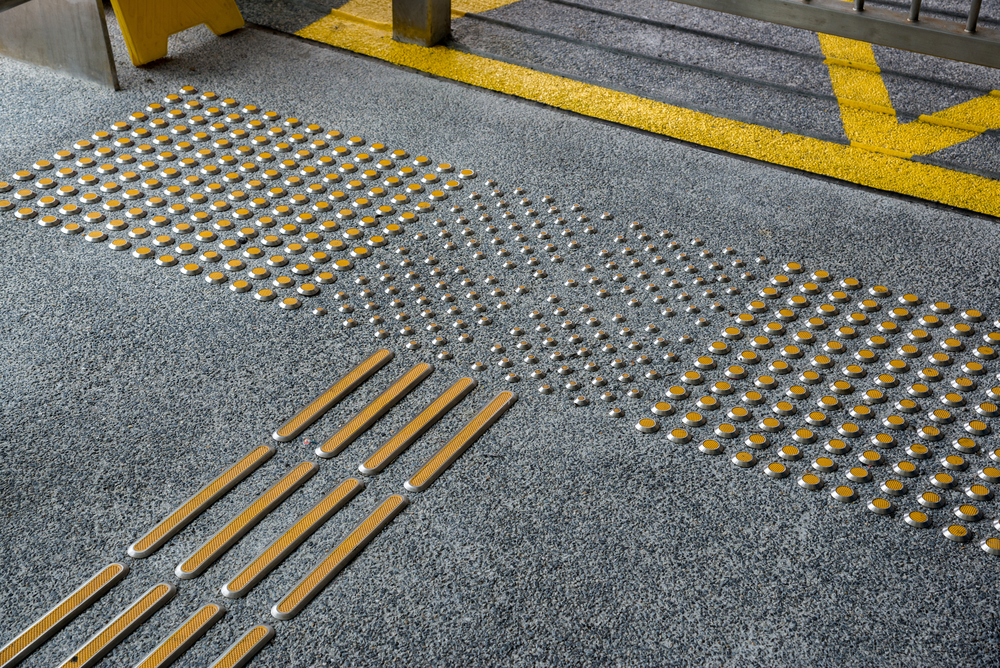
Types of Tactile Ground Surface Indicators
There are two main types of TGSIs, each serving a different purpose in public navigation:
1. Warning Tactile Indicators (Dot Pattern)
Designed to alert users about potential hazards, these are typically installed at:
- Railway platform edges
- Staircases and escalators
- Road crossings and curbs
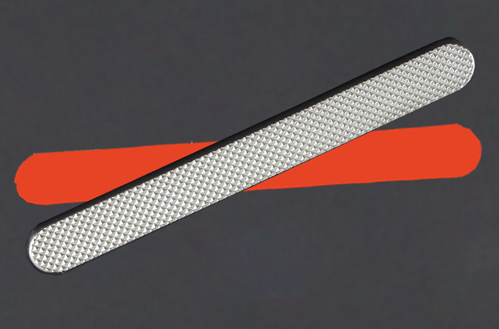
2. Directional Tactile Indicators (Bar Pattern)
Used to guide pedestrians through open spaces, such as:
- Transport terminals
- Open plazas and malls
- Large institutional complexes
Why Choose Polyurethane Tactile Indicators?
At Eminent Tactiles, we offer high-quality polyurethane tactile indicators that are designed for long-term use in public, commercial, and industrial spaces. These indicators are not only strong and durable but also quick to install, making them a smart choice for busy environments.
Here’s why they stand out:
- ☀️ UV-Resistant & Fade-Proof: They hold their colour even after years of sun exposure—perfect for outdoor areas.
- ✅ Lead-Free & Eco-Friendly: Made with safe materials, ideal for sensitive places like hospitals and schools.
- 🌧️ Slip-Resistant Surface: Textured for better grip, reducing the risk of slipping, even when it’s wet.
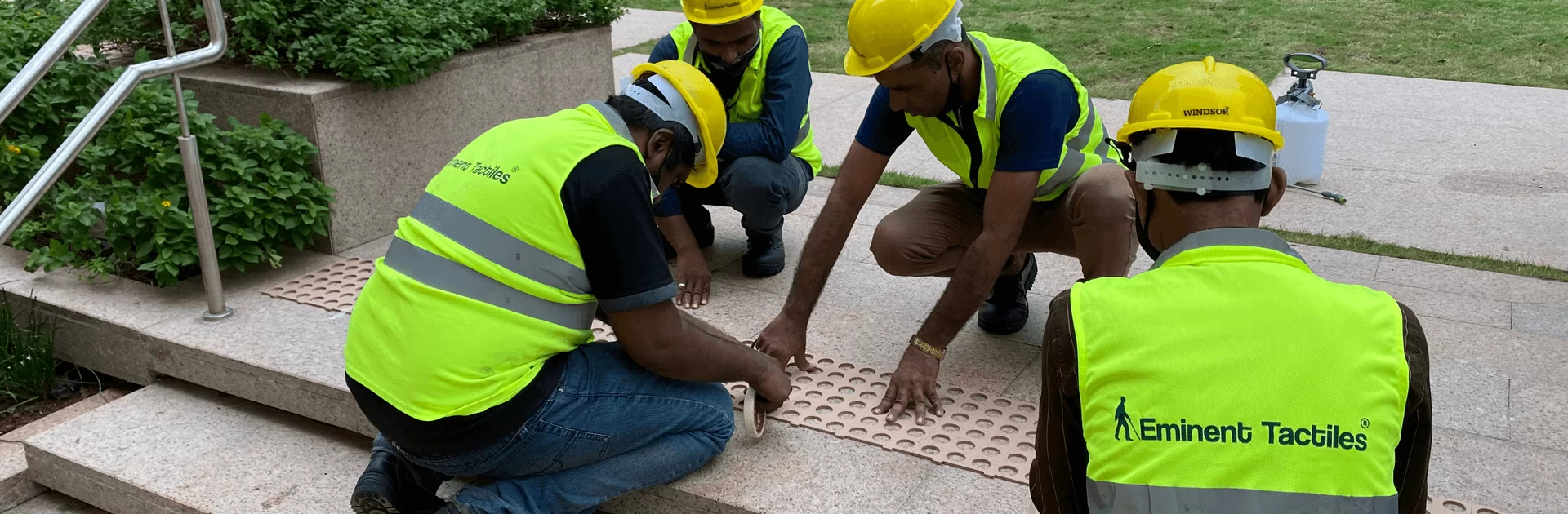
- 🧩 Peel & Adhere Technology: Comes with strong adhesive backing—no glue, no drilling, no mess.
- 📏 Fully Compliant: Built to meet Australian and international standards for public safety and accessibility.
Real-World Applications of Our TGSI Products
Our polyurethane tactile tiles and strips are used in high-traffic areas where safety and compliance are critical:
- 🚦 Pedestrian crossings and traffic intersections
- 🚉 Train stations and tram platforms
- 🏬 Shopping mall entries and ramp access
- 🏢 Corporate buildings with elevators and multi-level access
- 🛣️ Roadways with slip lanes, blind spots, and signal crossings
Why Choose Eminent Tactiles?
When you choose Eminent, you’re not just getting tactile tiles—you’re investing in:
- 🇮🇳 Proudly Made in India, ensuring premium quality and affordability
- 🛡️ 5-Year Warranty, even for high-traffic installations
- 🌍 Global Standards, including Australian TGSI regulations
- 🎨 Custom Designs, colours, and textures to match your aesthetic
- 🔧 Versatile Use, suitable for concrete, timber, tiles, and more
Final Thoughts: Make Accessibility a Priority
Tactile indicators are not just a regulatory requirement—they are a commitment to equity, inclusion, and public safety. By installing high-quality polyurethane tactile paving, you ensure that people with low vision can confidently navigate public spaces.
At Eminent Tactiles, we’re here to help architects, city planners, and builders integrate effective TGSI solutions in their projects. Whether in Australia or India, we’re your trusted partner in building a more accessible world.
Tactile indicators help people with low vision detect changes in their surroundings by feeling the raised textures underfoot or with a cane. They act as warning and guidance systems, improving safety and independence.
Yes. In many countries, including Australia and India, tactile indicators are required under accessibility and building standards to ensure safe navigation for people with disabilities.
Absolutely. Eminent Tactiles offers custom tactile tiles in various colors, sizes, and textures to match the design and safety requirements of your project.