


Introduction to Removable Bollards: A Flexible Solution for Urban Areas
Urban landscapes are dynamic, ever-evolving entities that require equally adaptable solutions for effective management and planning. Among these solutions, removable bollards have emerged as a standout option, offering unparalleled flexibility and functionality. These structures, designed to be easily installed, repositioned, or removed, cater to the diverse and fluctuating needs of urban environments. Their ability to transform the urban space—be it for traffic control, pedestrian safety, or aesthetic purposes—makes them an invaluable tool in the hands of city planners and urban designers. By bridging the gap between permanent infrastructure and the need for temporary or adjustable urban design elements, removable bollards represent a perfect marriage of practicality and innovation.
The Historical Evolution of Bollards in Urban Planning
Bollards have played a significant role in urban landscapes for centuries, evolving from simple mooring posts for ships in the 18th century to sophisticated urban planning tools. This transformation tracks the historical progression of urban spaces themselves, from the industrial age to the modern digital era. Initially, bollards served as static, functional elements, marking boundaries and deterring carriage traffic. However, as cities grew and the needs of urban dwellers became more complex, the role of bollards expanded. The shift towards removable bollards marks a significant point in this evolution, reflecting a broader trend towards flexibility and adaptability in urban design. This transition acknowledges the need for urban spaces to be fluid and responsive to the changing rhythms of city life.
Design and Types: Understanding Different Removable Bollards
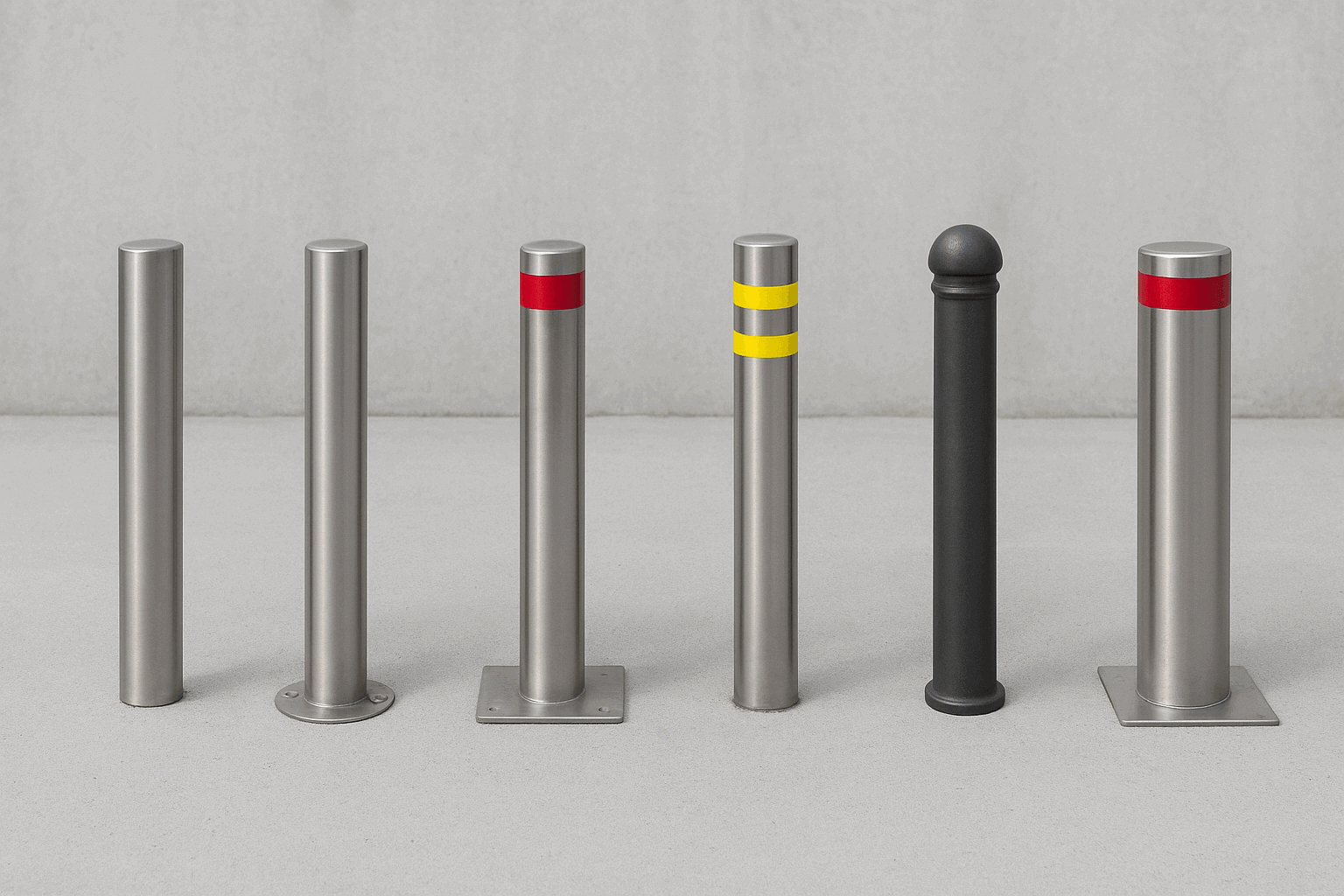
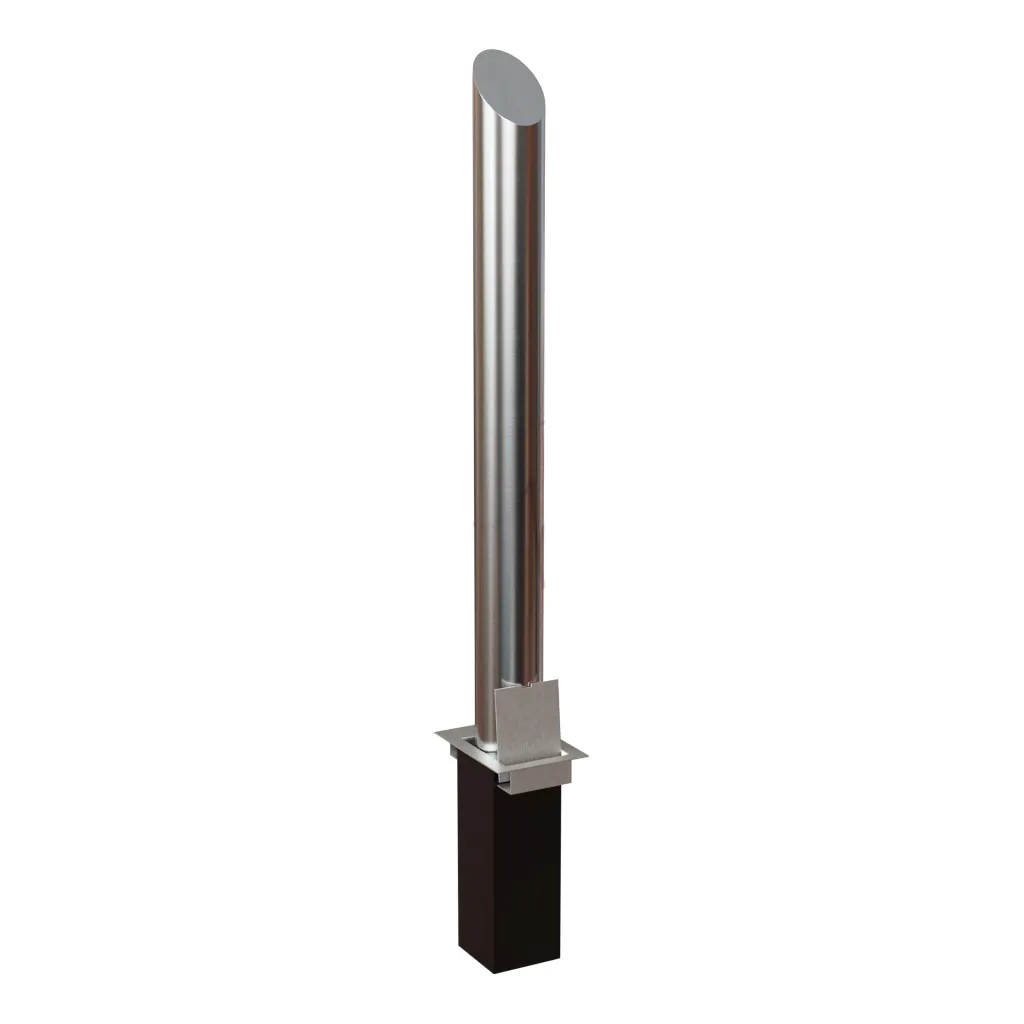
The design and functionality of removable bollards cover a wide spectrum, each type catering to specific urban requirements. Key variations include retractable bollards, which can be seamlessly integrated into the ground, providing a high-tech solution for controlled access, and manually removable bollards, offering a simpler, cost-effective option. The aesthetic aspect of these bollards is equally varied, with designs ranging from minimalist to ornate, allowing them to complement any urban setting. Materials used in their construction, like steel, concrete, or even recycled plastics, further add to the diversity, ensuring durability and sustainability. Each design and type of removable bollard addresses specific aspects of urban management, from security concerns to the preservation of historical sites, making them a versatile tool in the urban planner’s toolkit.
Enhancing Safety: The Role of Bollards in Traffic Management
In the realm of urban safety, removable bollards play a pivotal role. Their strategic placement is crucial for effective traffic management, helping to delineate pedestrian areas, control vehicle access, and protect sensitive zones from unauthorized entry. This is particularly important in bustling city centers, where the coexistence of pedestrians, cyclists, and vehicles necessitates careful planning and segregation. Removable Bollards Supplier a physical barrier that is both visible and formidable, acting as a deterrent to errant drivers while offering a clear demarcation for pedestrian zones. In emergency situations, such as natural disasters or security threats, the ability to quickly modify or remove these bollards is invaluable. It allows emergency services to access areas rapidly while maintaining the necessary security and safety measures. This flexibility is not just a convenience; it is a critical component in ensuring public safety in dynamic urban environments.
Community and Accessibility: How Removable Bollards Benefit Pedestrians and Cyclists
The impact of removable bollards extends beyond mere functionality; they play a significant role in shaping the social fabric of urban spaces. By creating safe, accessible pedestrian zones and dedicated cycling paths, they encourage more sustainable and active forms of transportation. This shift has profound implications for urban living, promoting not only physical health but also environmental sustainability and community well-being. The presence of these bollards in urban settings helps to calm traffic, reduce noise pollution, and create a more serene environment conducive to social interactions and community activities. The ability to adapt urban spaces for diverse uses, ranging from daily commuting to special events like street festivals or open markets, highlights the invaluable role of removable bollards in fostering vibrant, inclusive, and dynamic communities.
Conclusion
Removable bollards stand as a testament to the ingenuity and foresight of modern urban planning. By seamlessly blending functionality, safety, and aesthetic appeal, they have become indispensable in the management and evolution of urban spaces. As cities continue to expand and the needs of urban populations become increasingly complex, the flexibility and adaptability offered by removable bollards will be more important than ever. They are not merely physical structures; they are key elements in the narrative of urban development, playing a critical role in ensuring that our cities are safe, accessible, and livable for all. As we look to the future, the innovative use of removable bollards will undoubtedly continue to shape the face of urban planning, driving us towards more responsive, sustainable, and human-centric cities.
Removable bollards are short, sturdy posts designed to control vehicle access and enhance safety in urban areas. They can be easily installed, removed, or relocated, offering flexibility for changing urban needs.
Removable bollards are vertical posts designed to be temporarily installed and easily removed or repositioned. They help manage traffic, enhance safety, and adapt urban spaces for various uses.
They are widely used in:
- Pedestrian zones
- Parking lots
- Event spaces
- Emergency access routes
- Commercial and public buildings
- Historical preservation areas
- Flexibility in urban design
- Improved pedestrian and cyclist safety
- Controlled vehicle access
- Quick emergency access
- Aesthetic enhancement of public spaces
They are widely used in parking lots, pedestrian zones, shopping streets, event areas, and restricted access roads to manage traffic and improve safety.
Removable bollards are usually made from stainless steel, concrete, aluminium, or recycled plastic. The choice depends on the location, budget, and aesthetic requirements.
High-quality bollards, especially stainless steel ones, are built to withstand harsh weather, corrosion, and heavy impact, making them suitable for outdoor use.
Eminent Tactiles is a leading manufacturer and supplier of high-quality removable bollards, offering durable, corrosion-resistant, and customizable solutions for urban safety and access control.