


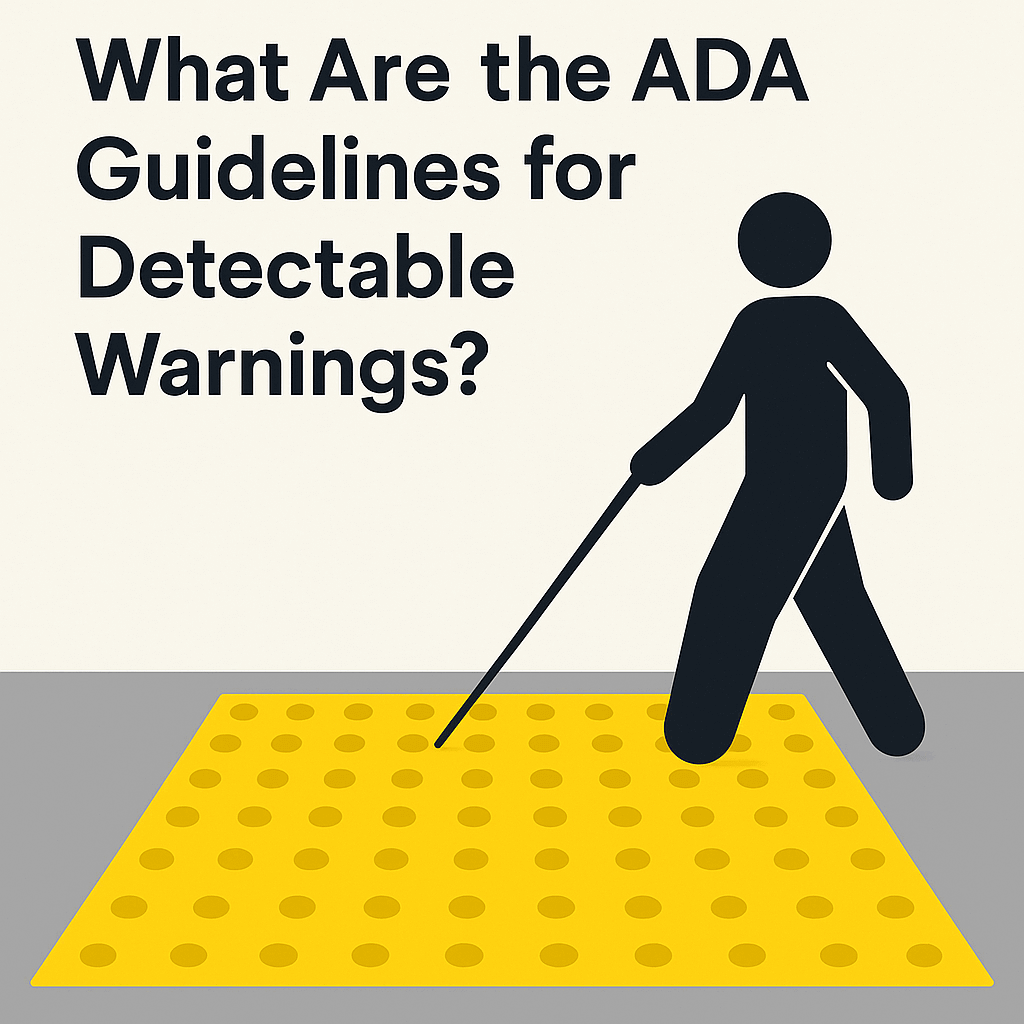
In the U.S., the Americans with Disabilities Act (ADA) ensures that public spaces are safe and accessible for all. One key feature that supports this goal is the detectable warning surface.
These textured ground surfaces help people who are blind or have low vision detect hazards. If you own property, manage public space, or build infrastructure, you must follow ADA guidelines for detectable warnings.
What Are Detectable Warnings?
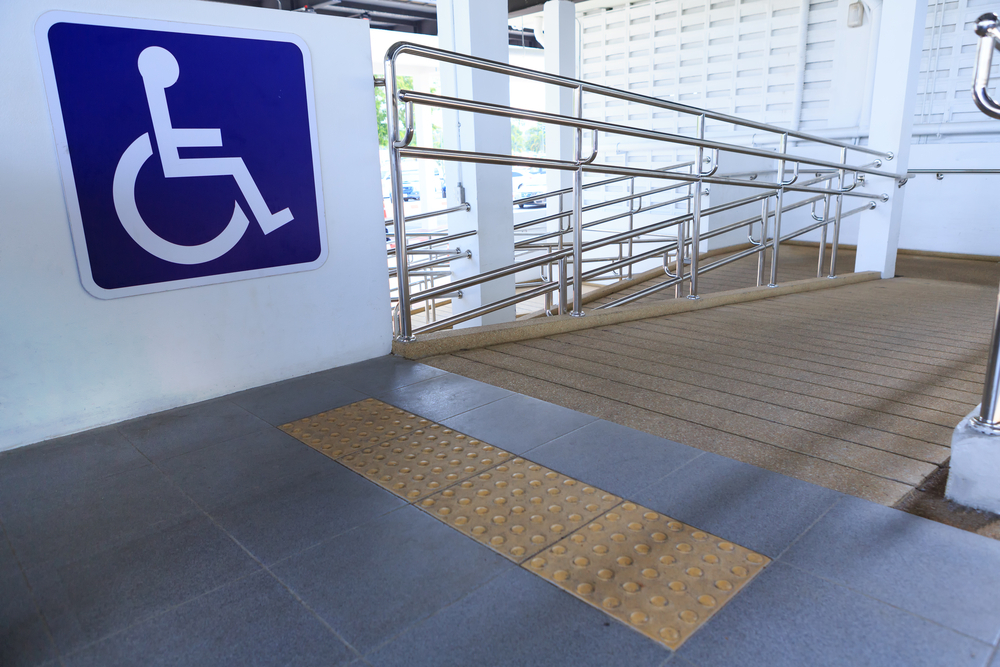
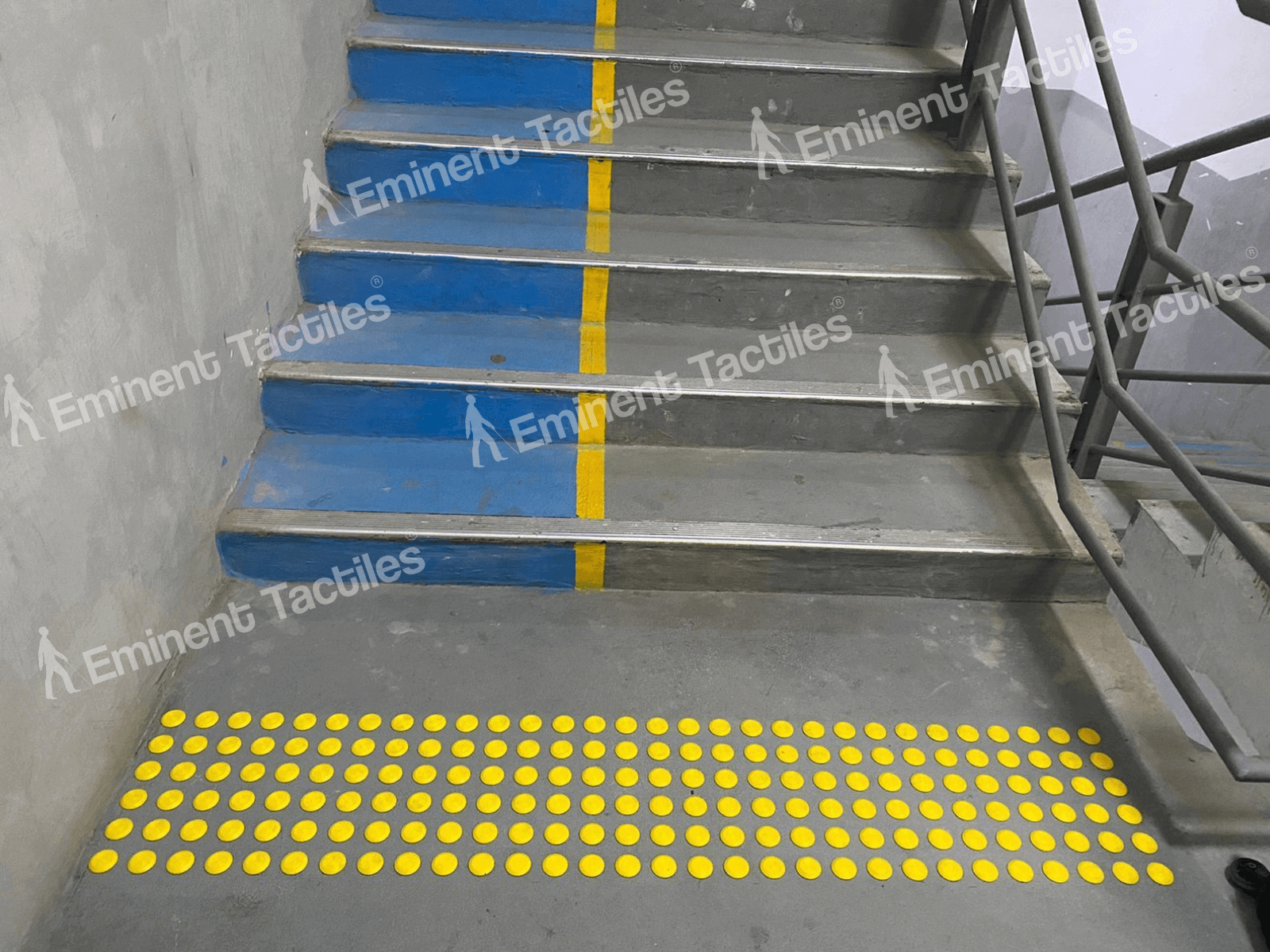
Detectable warnings are tactile ground indicators. You’ll see them as small, raised bumps—called truncated domes—on surfaces like:
- Sidewalk curb ramps
- Pedestrian crossings
- Transit platforms
- Stair landings
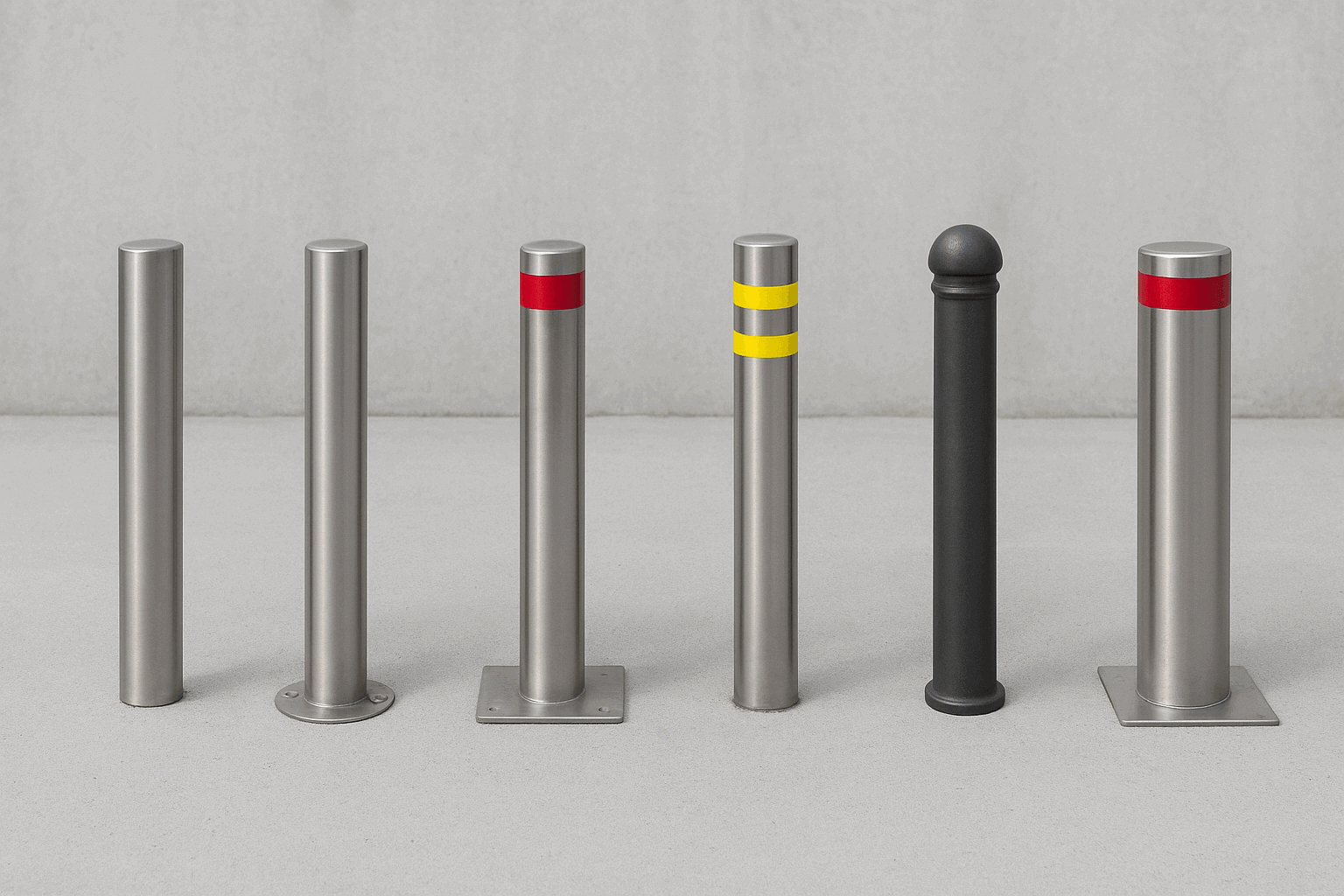
- Vehicle access points
Why Are They Required?
The ADA requires detectable warnings for safety and equal access. These tactile indicators give non-visual cues. They help prevent accidents and support independent navigation.
Where Should Detectable Warnings Be Installed?
Under ADA rules, detectable warnings are needed at:
- Curb ramps
- Blended transitions between sidewalks and streets
- Transit platform edges
- Stairs or escalator approaches (depending on local codes)
- Railway crossings
ADA Guidelines: Key Requirements
Here are the main points of compliance:
1. Dome Size and Shape (Truncated Domes)
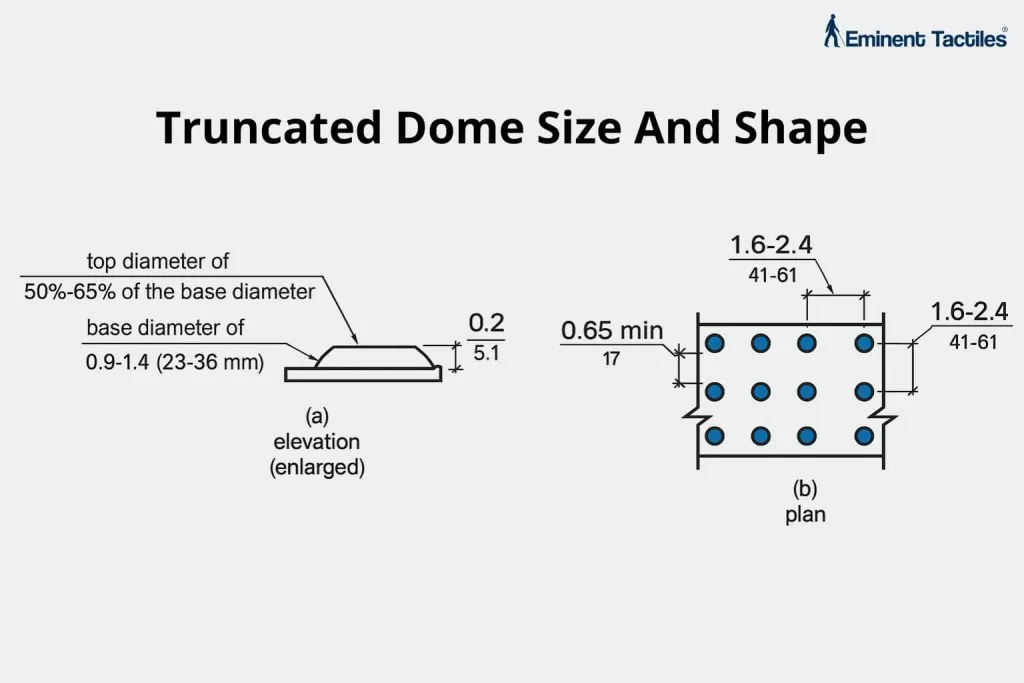
The most important feature of a detectable warning surface is the truncated dome pattern. These small, raised bumps provide a tactile warning to people using white canes or walking barefoot.
To comply with the ADA Standards for Accessible Design, the domes must meet strict size and spacing guidelines:
- The base of each dome should have a diameter ranging from 0.9 to 1.4 inches. This size ensures the domes are easily felt underfoot without being too large or obstructive.
- Height: The dome must rise 0.2 inches (5 mm) from the surface. This height offers enough tactile feedback without creating a trip hazard.
- Spacing: The domes should be spaced 1.6 to 2.4 inches apart (measured from the center of one dome to the center of the next). This spacing allows for clear detection and prevents entrapment of small mobility device wheels.
- Alignment: Domes should be arranged in a uniform square grid, not in a staggered layout. This uniformity makes them easier to detect consistently.
2. Visual Contrast with Surrounding Surfaces
Color contrast is just as important as tactile feedback. People with low vision rely on visual cues to navigate safely. That’s why the ADA detectable warning guidelines require a clear contrast between the warning tile and the surrounding walking surface.
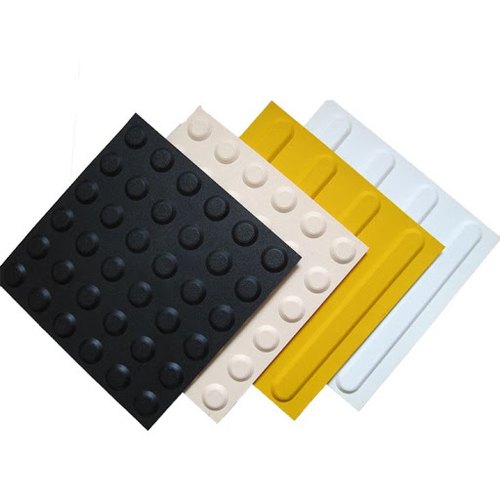
Examples of high-contrast combinations:
- Yellow tactile tiles on grey concrete sidewalks
- Black tactile surfaces on light-colored paving
- Red tiles near light-coloured ramps or crossings
Note: The ADA does not mandate specific colors, but visual contrast is required. Always choose colors that clearly stand out from the surrounding surface to assist partially sighted users.
3. Surface Area: Size and Coverage
The coverage of detectable warning surfaces depends on where they are being used. Here’s what the ADA requires:
For Curb Ramps:
- The tactile warning surface must extend the full width of the ramp.
- It should be at least 24 inches deep (in the direction a person walks). This ensures enough space for detection before entering the road or hazard zone.
For Transit Platform Edges:
- Detectable warning surfaces should extend continuously along the full length of the platform edge.
- They must be at least 24 inches wide, measured from the platform edge inward.
This helps people identify the boundary before falling onto tracks or lower levels.
4. Material and Surface Requirements
The material used in ADA-compliant tactile indicators must be safe, strong, and long-lasting. Here are the essential qualities:
- Slip-resistant: The surface must prevent slipping, even when wet. This protects everyone, especially during rain or snow.
- Weather-resistant: It should not crack, fade, or peel under UV light, snow, ice, or salt. Materials like polyurethane, cast iron, stainless steel, or durable composites are recommended.
- Load-bearing strength: The surface must support foot traffic, wheelchairs, strollers, and mobility aids without damage.
Legal and Safety Risks of Non-Compliance
Failing to follow ADA detectable warning guidelines can lead to serious consequences. It’s not just a building issue—it’s a civil rights matter.
Here’s what’s at risk:
- Fines and Lawsuits: Property owners and builders can face legal action for not meeting federal accessibility laws.
- Project Delays: Government or municipal projects can be halted during inspections if tactile indicators are missing or incorrect.
- Loss of Funding: Non-compliant public projects may lose federal or state funding tied to accessibility.
Safety Hazards: Incorrect or missing detectable warnings put visually impaired people at risk of injury, especially at crossings and transit platforms.
Tips for Staying Compliant
- Use ADA-approved products
- Work with experienced installers
- Check state and local codes—they may have more rules
- Schedule regular maintenance checks
Final Thoughts: Small Details, Big Impact
Detectable warnings may look simple, but they play a critical role in public safety. For people who are blind or have low vision, these tactile surfaces act as early warning signs before entering hazardous areas like streets, train platforms, or parking zones. Each dome sends a clear message: stop, check your surroundings, and stay safe.
If you’re designing or upgrading public spaces, it’s essential to follow the ADA guidelines for detectable warnings. Use the correct dome size, ensure high visual contrast, and install durable, slip-resistant materials. Staying compliant doesn’t just help you meet legal requirements—it shows a real commitment to creating accessible, inclusive environments for everyone.