
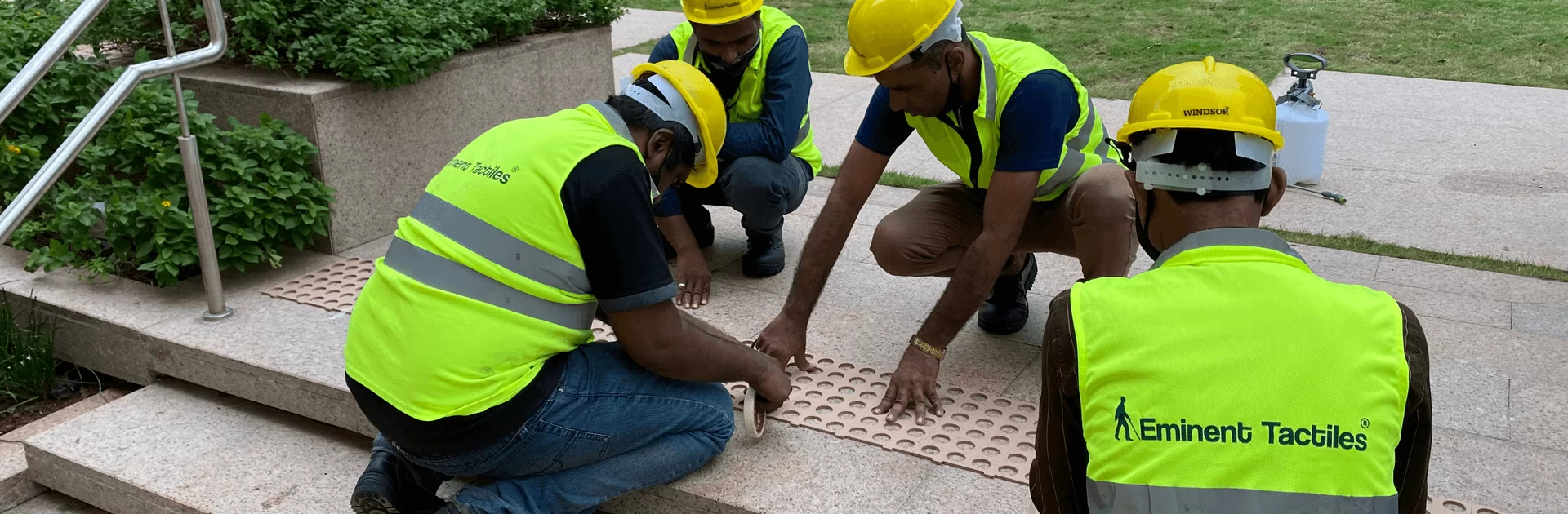


Have you ever walked on a footpath and noticed small raised dots or lines on the ground? You may not think twice about them, but for someone who is blind or has low vision, these patterns are life-saving tools. These are called tactile indicators, and they play a huge role in helping people with vision impairments move safely and independently in public spaces.
But have you ever wondered how these tactile indicators were created? Let’s take a closer look at the story behind them and how they’ve become a key part of modern city design.
The Birth of an Idea: Seiichi Miyake’s Invention
Back in 1965, in Japan, a man named Seiichi Miyake came up with the idea of tactile paving. He wasn’t a famous scientist or a government official—just a thoughtful man who wanted to help a friend. His friend was losing his sight, and Miyake wanted to find a way to help him navigate the world more safely.
So, using his own money, Miyake created something completely new: special tiles with raised patterns. These patterns could be felt underfoot, allowing blind or visually impaired people to sense changes in the environment. For example:
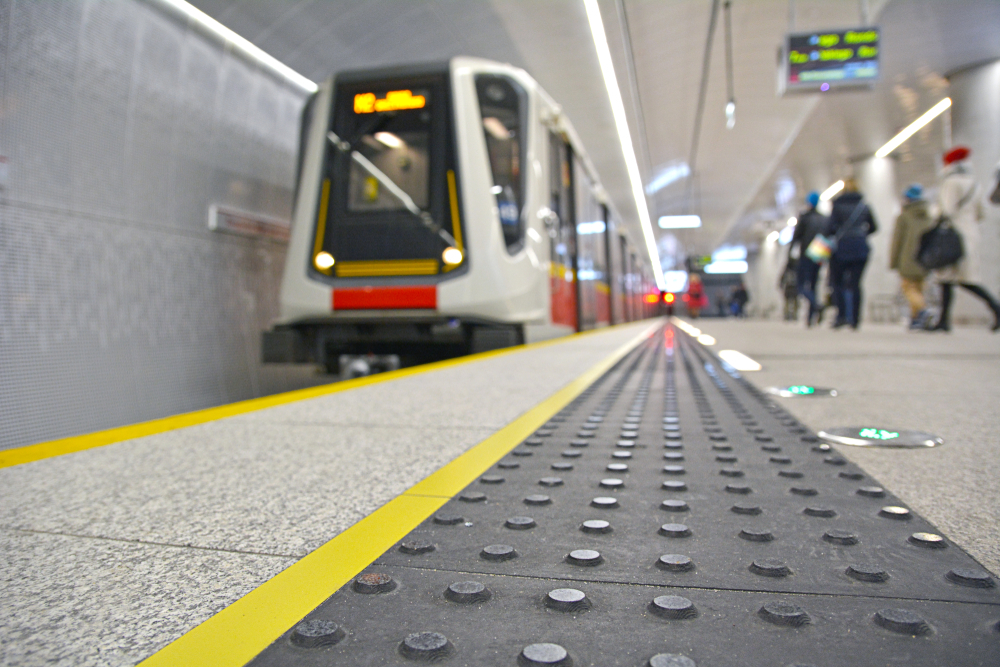
- Dots (warning indicators) signal danger or a need to stop, like the edge of a train platform or a pedestrian crossing.
- Bars (directional indicators) guide users along a safe path, like a footpath or corridor.
Spreading Across Japan and the World
The success of these early installations caught the attention of city planners and transport officials. Soon, more cities in Japan, like Tokyo and Osaka, started using tactile paving. By the late 1970s, every Japan Railway station had tactile indicators in place.
Sadly, Seiichi Miyake passed away in 1982 at just 56 years old. But his idea didn’t stop there. It grew.
By the 1990s, many countries—including the United States, the United Kingdom, Canada, Australia, and parts of Asia—started using tactile indicators in their cities too. Today, they are a global standard.
Why Are Tactile Indicators So Important?
For people with full vision, signs, signals, and colours help guide us where to go and warn us when it’s dangerous. But for someone who is blind or has low vision, those visual signs don’t help much.
That’s where tactile indicators come in. They provide important information through touch, not sight. Here’s how they help:
- Safety: Tactile bumps warn of a change, like a busy road or a staircase.
- Guidance: Straight raised bars show the direction to walk.
- Independence: With tactile paving, people can travel on their own without needing someone to guide them.
More Than Just Touch – Visual Help Too
You might have noticed that tactile indicators often have bright colours, like yellow or white. While these colours may not help someone who is completely blind, they are very helpful for people with partial vision.
The bright colour creates a high contrast with the ground, making the path easier to see. This is helpful not just for those with vision issues but also for children, the elderly, and even people using phones while walking!
Different Types of Tactile Indicators
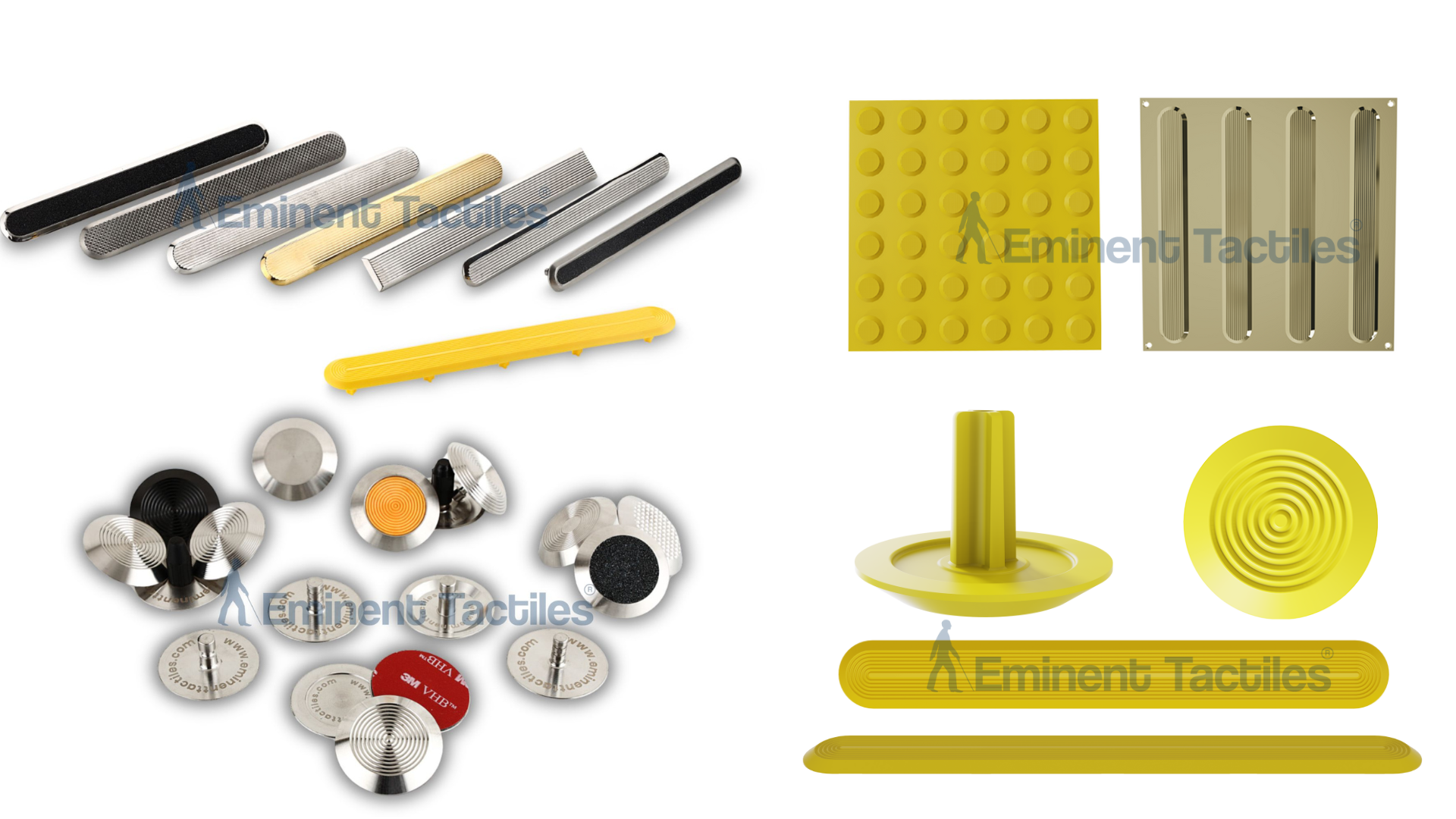
Tactile indicators are used in many forms and materials today. At Eminent Tactiles, we provide a wide range of tactile solutions, including:
- Warning Studs – Raised dot tiles for alerting users of hazards.
- Directional Strips – Long lines that guide users in the correct direction.
- PU (Polyurethane) Tactiles – Lightweight and weather-resistant.
- Brass and Stainless Steel Indicators – Durable and sleek for indoor and outdoor use.
- Adhesive Tiles – Easy to install without heavy tools.
- Integrated Tactiles – Designed to blend smoothly with the surrounding flooring.
We also offer additional safety features such as:
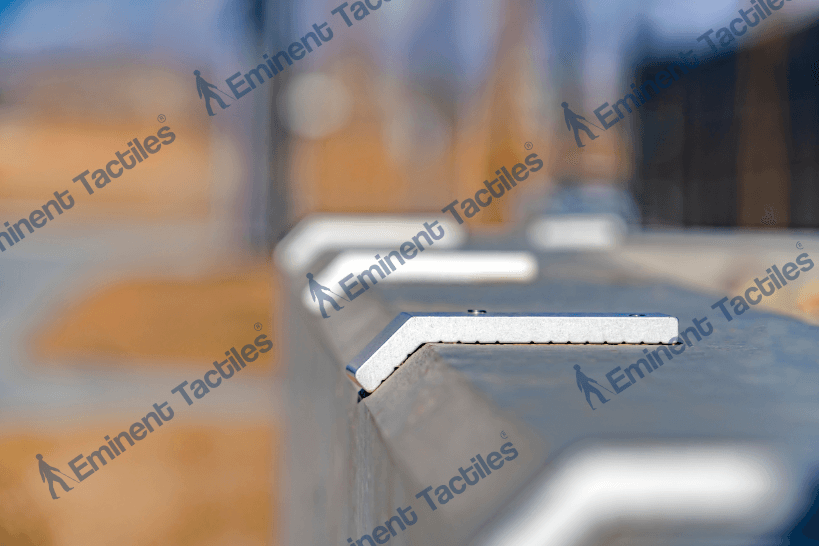
- Stair Nosing
- Anti-slip solutions
- Bollards, bike racks, and wheel stops
Making Cities Safer for Everyone
Whether you’re designing a train station, a public park, a school, or an office building, tactile indicators are essential. They help create an inclusive space where everyone, regardless of ability, can move freely and safely.
Thanks to Seiichi Miyake’s invention, cities today are becoming more accessible, welcoming, and safe for people with disabilities.
Need Help Choosing the Right Tactile Indicators?
Not sure which product is right for your property or project? Don’t worry—our experts at Eminent Tactiles are here to help.
We’ll guide you through the process and recommend the best tactile paving based on your needs, location, and compliance requirements. Our tactile indicators are designed to last, look great, and—most importantly—keep people safe.